The historical evolution of gambling From ancient rituals to modern casinos
The Origins of Gambling: Ancient Societies
The roots of gambling can be traced back to ancient civilizations, where it was often intertwined with ritualistic practices. Archaeological findings suggest that the earliest forms of gambling appeared in Mesopotamia around 3000 BC, where dice made from animal bones were used in games of chance. These early games were not merely for entertainment; they often held significant cultural and religious importance, serving as tools for divination and decision-making among tribal leaders. Today, players can explore a similar thrill at platforms like https://monacojack.uk/.

In Ancient Egypt, gambling was similarly woven into the fabric of society. Game boards and artifacts have been discovered in tombs, indicating that games like Senet were played not only for fun but also as part of the journey to the afterlife. The belief was that winning in these games could affect one’s fate, reflecting the close relationship between luck, spirituality, and fate that has persisted through time.
Furthermore, the Romans contributed to the evolution of gambling by introducing structured betting into various aspects of their culture, including gladiatorial games and chariot races. These large public events attracted crowds, and the opportunity to wager on outcomes transformed gambling into a spectacle, creating a lively marketplace for bets. This laid the groundwork for gambling as a popular pastime that would evolve through the ages.
The Middle Ages and Gambling’s Transformation
As societies evolved, so too did gambling. During the Middle Ages, the Catholic Church expressed strong opposition to gambling, associating it with moral decay. Despite this, various forms of gambling persisted, often underground. Games like cards began to gain popularity, particularly in Europe, where the first known playing cards were introduced around the 14th century. This shift marked a significant transition, moving gambling from dice and board games to the complexities of card play.
The invention of the printing press in the 15th century played a pivotal role in the expansion of gambling. It allowed for the mass production of playing cards, which made them more accessible to the general population. Tournaments and gambling houses emerged, leading to a burgeoning gambling culture. The establishment of lottery systems in England and France during this time also represented a significant leap, as they became a state-sanctioned means of generating revenue.
By the end of the Middle Ages, gambling had developed a reputation as a social activity, characterized by both camaraderie and risk. The emergence of gaming houses and establishments specifically dedicated to gambling laid the foundation for the modern casino, enabling people to engage in various games under one roof. This marked a significant evolution from the informal, ritualistic gambling of ancient times.
The Birth of Modern Gambling: The 19th Century
The 19th century heralded a dramatic transformation in gambling, driven by the Industrial Revolution. The emergence of urban centers created new opportunities for entertainment, and gambling establishments began to flourish. The establishment of the first official casino in Monte Carlo in 1863 marked a significant milestone in gambling history, attracting wealthy patrons and setting a standard for luxury and sophistication in gaming.
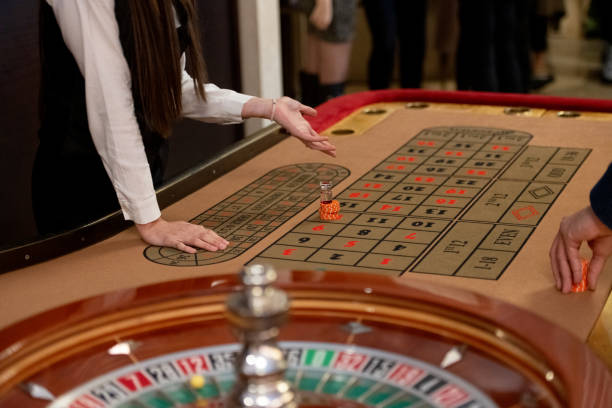
Furthermore, the introduction of roulette and slot machines during this era contributed to the commercialization of gambling. These games offered simple mechanics and immediate gratification, appealing to a broader audience. The slot machine, in particular, became a symbol of gambling’s evolution; invented in 1895, it provided a casual gaming experience, allowing players to enjoy a game of chance without the need for extensive knowledge of rules.
Additionally, the 19th century saw the rise of sports betting, especially in horse racing. This new form of gambling became incredibly popular and led to the establishment of betting tracks and organized betting systems. The expansion of telecommunication in the late 1800s further propelled sports betting into the mainstream, as information about races could be shared rapidly, allowing for more extensive wagering practices.
The 20th Century: Legalization and Regulation
The 20th century marked a turning point in the perception of gambling, particularly in the United States, where the Great Depression prompted many states to reconsider their stance on legalized gambling. Legalized casinos emerged in Nevada in the 1930s, leading to a revolution in how gambling was viewed by society. The Las Vegas Strip quickly became synonymous with high-stakes gambling and entertainment, transforming the city into a global gambling capital.
Throughout the latter half of the century, numerous jurisdictions began to embrace legalized gambling, recognizing its potential as a revenue stream. Native American tribes gained the right to operate casinos in the 1980s, further expanding the landscape of legalized gambling in the U.S. This led to a proliferation of casinos across the nation, bringing a variety of gaming options to a broader audience and changing the dynamics of local economies.
Technological advancements in the late 20th century also played a critical role in shaping modern gambling. The advent of online casinos in the 1990s transformed the industry by allowing players to gamble from the comfort of their homes. This shift not only broadened the reach of gambling but also introduced new forms of gaming, such as virtual slot machines and live dealer games, which have since become staples of the online gambling experience.

The Contemporary Landscape of Gambling
Today, gambling exists in many forms, from luxurious land-based casinos to immersive online platforms. The evolution of technology continues to influence the gambling industry, with innovations like mobile gaming applications and cryptocurrency betting creating new opportunities for players. Online casinos provide a vast array of games, including live dealer experiences that replicate the feel of a brick-and-mortar casino, making gambling more accessible than ever before.
Additionally, the rise of esports and fantasy sports betting represents the latest frontier in gambling. These new formats attract a younger demographic, expanding the market further and creating diverse betting options. Legal regulations continue to evolve, with many jurisdictions reassessing their laws to accommodate the growing interest in online gambling and sports betting.
The gambling landscape is not without its challenges, however. Issues related to responsible gambling and addiction remain at the forefront of discussions among regulators and industry leaders. Efforts to promote safe gambling practices and provide support for those affected by gambling addiction are crucial as the industry continues to grow and evolve.